Jen and Russ
images of our life together
Site Navigation
[Skip]
2016 Home
2016 Photos
Christmas Season
Tagging the Perfect Christmas Trees
Christmas fun
Christmas at Longwood
Christmas Eve and Christmas Day
Thanksgiving in Michigan and the Netherlands
Bombay Hook
Fair Hill International
Nightscape at Longwood Gardens
Grillathon - 2016
Our Trip to Europe
The Netherlands
Stockholm
Copenhagen
Orioles vs Blue Jays
Wynton Marsalis and Jazz at Lincoln Center Orchestra
Detroit vacation
Tony Bennett at Wolf Trap
Grandma’s birthday, Kent Island, and more
Juan is a U.S. citizen
Dan's 40th birthday
KBHO VIII
The Yardbirds
Longwood Gardens
Paul Simon at the Mann in Philadelphia
Ragtime and Alexandria
Strawberry jam
Picnic in the Park
Memorial Day Weekend and the Fair Hill Races
Courtney and the kids visit
Mark's birthday celebration
Spring at 150
A Winter Day in April
April Rainbow
DC and Mount Vernon
Spring at Lums Pond
International Pop
Model Train Show
A Beautiful Snowfall
Winter rainbows
Winter storm
Jen's new knee
Third Day - Vasa Museum, Skeppsholmon, and Bach
Previous
Next
List
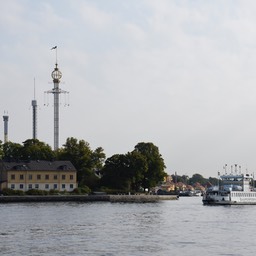
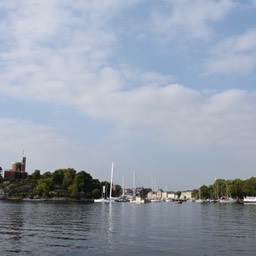
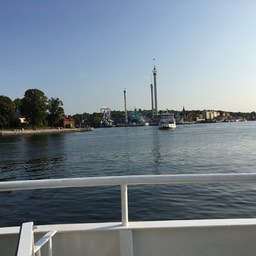
On the ferry to Djurgården, a small island.
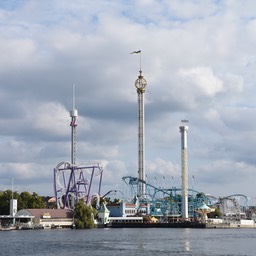
Gröna Lund, an amusement park on the island.
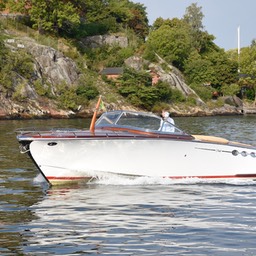
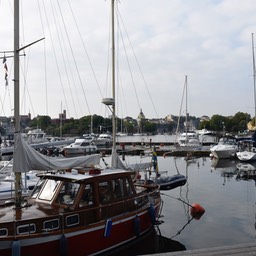
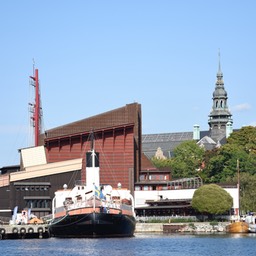
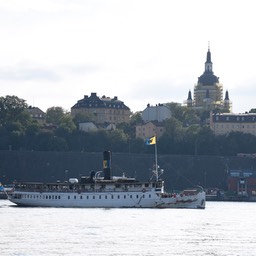
Beautiful boat.
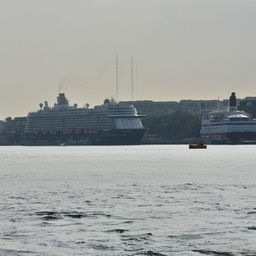
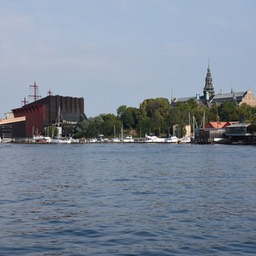
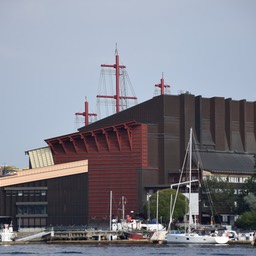
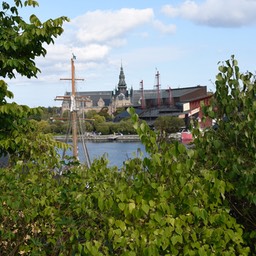
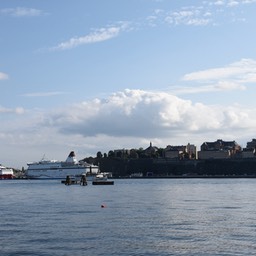
The building on the left is the Vasa Museum, our first destination for the day.
It houses a Swedish sailing ship from the 1600s. The masts on the roof are representations of the height of the original masts.
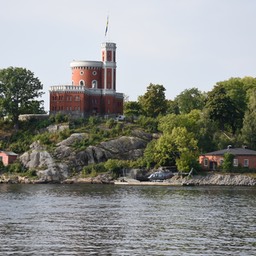
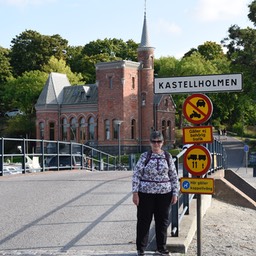
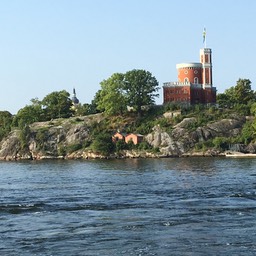
Kastellet Stockholm
On the way to the Vasa Museum.
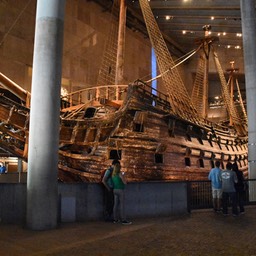
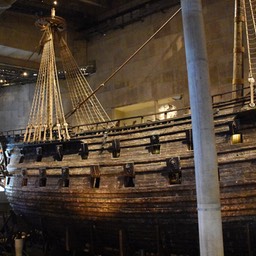
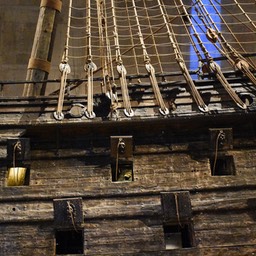
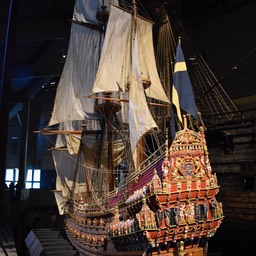
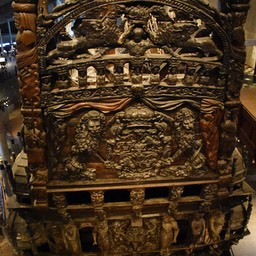
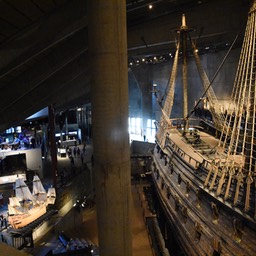
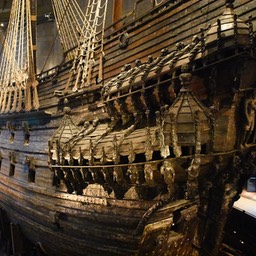
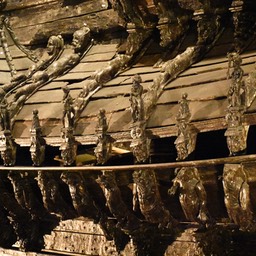
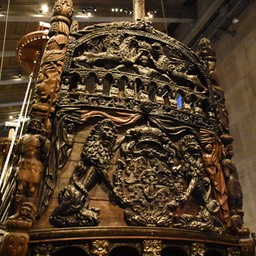
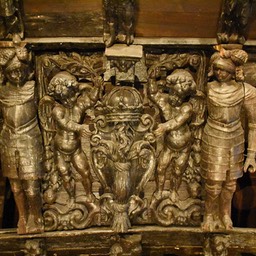
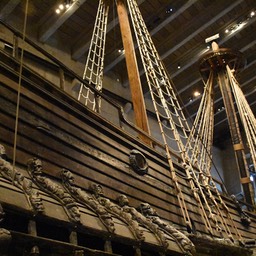
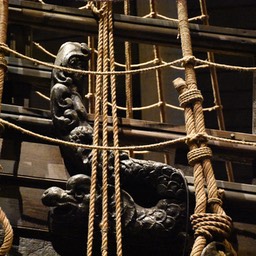
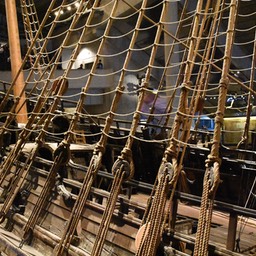
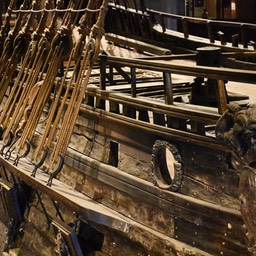
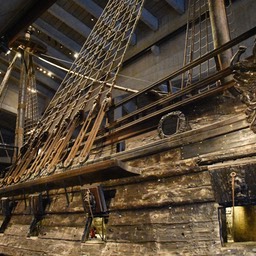
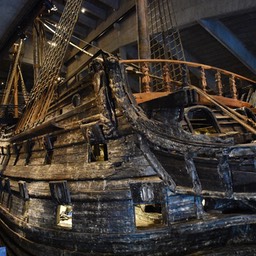
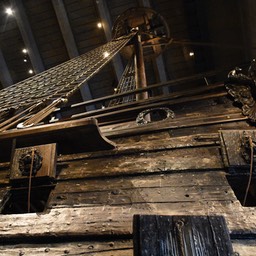
The Vasa, a 17th century warship that sank almost immediately after being launched in 1628. The museum that holds the ship is the most visited museum in Scandinavia.
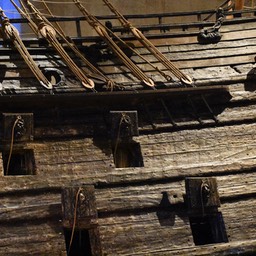
The heavily armed warship traveled 1500 meters in April of 1638 and during a squall listed to one side causing the gun ports to take on water and the ship sank. She was simply top heavy (not enough ballast), too narrow, and unstable and during the storm began to rock.
The Vasa was found in 1956 and was raised above water in 1961.
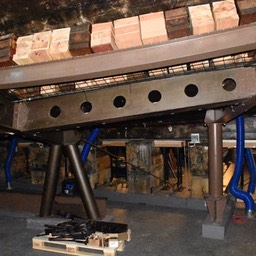
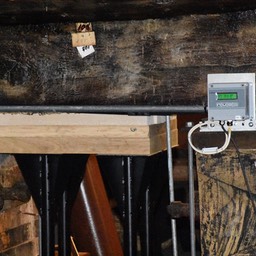
An intense and difficult restoration effort began with 17 years of spraying the ship with a wood preservative (PEG, polyethylene glycol) followed by nine years of drying.
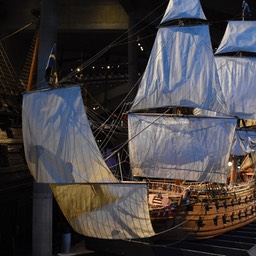
A model of the ship as it would have appeared in 1628.
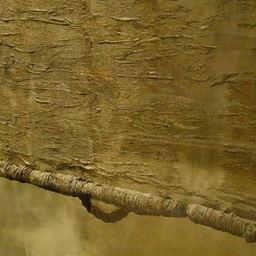
Part of the original sails.
The museum opened in 1990, not far from where the ship sank.
They know that the ship is sagging about 1 mm per year and are redesigning the cradle to improve the ship’s stability.
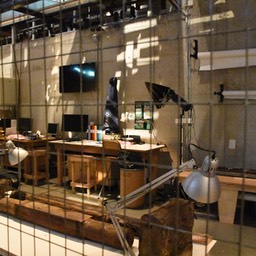
A workshop adjacent to the ship.
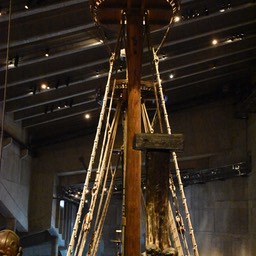
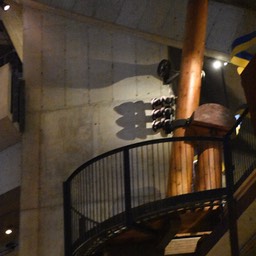
This platform gives you a feeling of what it might have been like to climb the mast of the ship. It was a little scary - the platform angles downward and gives the impression of very little support.
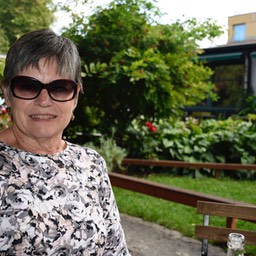
This restaurant is called Blå Porten (the Blue Gate). We ate outside in a garden setting. Jen had a beet root salad, and I had oven-baked herbed herring. It wasn’t my favorite but it seemed like I needed to try herring while we were in Sweden.
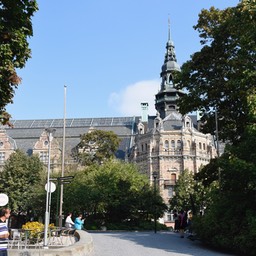
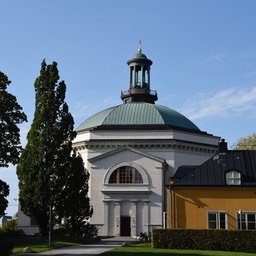
We got off the ferry at Skeppsholmen, a small island with a modern art museum and this concert hall.
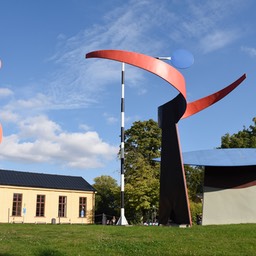
‘The Four Elements’, Calder
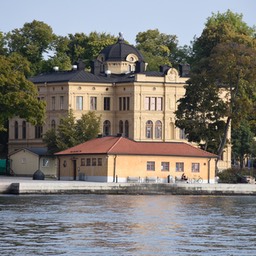
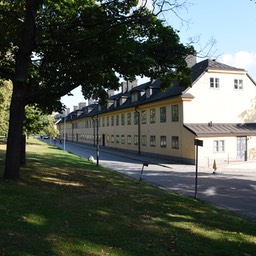
Hotel Skeppsholmen, from around 1700. We talked about staying here during our planning.
Kastellholmen, a typical archipelago island comprised of granite and having steep cliffs. This small footbridge connects Skeppsholmen and Kastellholmen.
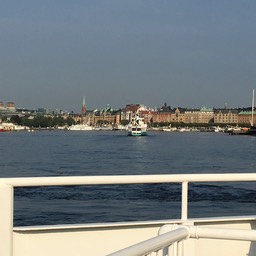
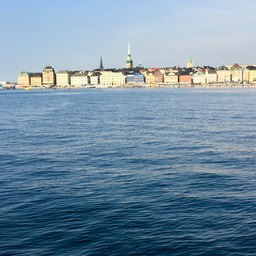
Back on the ferry headed to Gamla Stan.
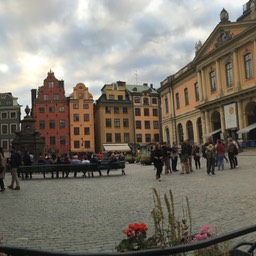
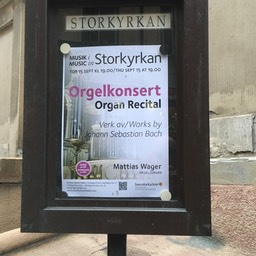
Stopped for a snack at Grills Husets Konditori before the organ concert. I had coffee and a chocolate tort and Jen had grilled mozzarella and tomato on ciabatta roll.
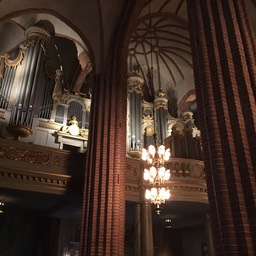
The lights were dimmed but the organ pipes remained bright.
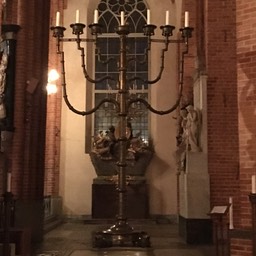
This bronze seven-branched candlestick was made in Germany in the 15th century. It has adorned the cathedral for more than six hundred years.
10/6/16
© Russ Milam 2016
[Back To Top]